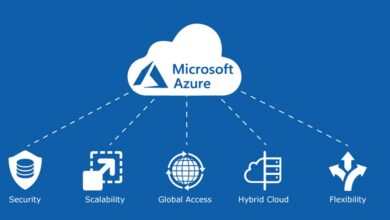
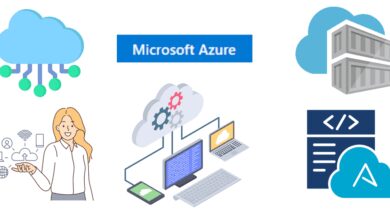
Welcome to the world of Azure apps, where cloud innovation meets real-world application. Whether you’re a developer, IT pro, or business leader, understanding how Azure apps transform digital operations is essential in today’s fast-evolving tech landscape.





What Are Azure Apps and Why They Matter

Azure apps refer to a broad range of application services offered by Microsoft Azure, enabling organizations to build, deploy, and manage applications at scale in the cloud. These apps are not just tools—they’re strategic enablers for digital transformation.
Defining Azure Apps in the Cloud Ecosystem
Azure apps encompass everything from web apps and mobile backends to containerized microservices and serverless functions. They are part of Microsoft’s comprehensive cloud platform, designed to support modern application development across hybrid, multi-cloud, and edge environments.
- Azure App Service for web and API hosting
- Azure Functions for event-driven, serverless computing
- Azure Kubernetes Service (AKS) for container orchestration
- Azure Logic Apps for workflow automation
- Azure Static Web Apps for Jamstack architectures
These services collectively form what we call “Azure apps”—a suite of cloud-native tools that empower developers to innovate faster and deliver value quicker.
Business Impact of Azure Apps
The adoption of Azure apps has a direct impact on business agility, cost efficiency, and time-to-market. According to a Microsoft case study, companies using Azure apps report up to 60% faster deployment cycles and 40% reduction in infrastructure costs.
“Azure apps are not just about technology—they’re about accelerating business outcomes.” — Microsoft Azure CTO
From startups to Fortune 500 enterprises, Azure apps provide the scalability and reliability needed to handle unpredictable workloads while maintaining enterprise-grade security.
Core Components of Azure Apps Ecosystem
The strength of Azure apps lies in their integration with a vast ecosystem of services. This interconnected architecture allows seamless data flow, identity management, monitoring, and DevOps practices.
Azure App Service: The Foundation
Azure App Service is one of the most widely used components of Azure apps. It allows developers to host web applications, REST APIs, and mobile backends without managing infrastructure.
- Supports multiple languages: .NET, Java, Node.js, Python, PHP
- Built-in CI/CD pipelines with GitHub, Azure DevOps, and Bitbucket
- Automatic scaling based on traffic patterns
- Integrated security with Azure Active Directory and SSL/TLS
With App Service, developers can focus on code rather than server maintenance. It also supports custom domains and SSL certificates, making it ideal for production-grade applications.
Azure Functions: Serverless Powerhouse
Azure Functions enables event-driven computing, where code runs in response to triggers like HTTP requests, database changes, or queue messages. This is a key feature of modern Azure apps.
- Pay-per-execution pricing model
- Supports timers, queues, blobs, and HTTP triggers
- Integration with Azure Event Grid and Service Bus
- Can be written in C#, JavaScript, Python, Java, and PowerShell
For example, a retail company might use Azure Functions to automatically resize product images when uploaded to Blob Storage—without provisioning a single server.
Azure Logic Apps: Workflow Automation
Logic Apps is another pillar of Azure apps, designed for automating business processes and integrating systems without writing code.
- Visual designer for creating workflows
- Pre-built connectors for Salesforce, Office 365, SQL, and more
- Supports enterprise integration patterns (B2B, EDI)
- Can trigger Azure Functions or call APIs
This makes it perfect for automating invoice processing, customer onboarding, or data synchronization across platforms.
How Azure Apps Enable DevOps Excellence
One of the most transformative aspects of Azure apps is their deep integration with DevOps practices. From continuous integration to automated testing and deployment, Azure apps streamline the software delivery lifecycle.
CI/CD Pipelines with Azure DevOps
Azure apps work seamlessly with Azure DevOps to create robust CI/CD pipelines. Developers can automate builds, run unit tests, and deploy to staging or production environments with minimal manual intervention.
- YAML-based pipeline definitions for version control
- Integration with GitHub Actions for open-source projects
- Blue-green deployments and canary releases supported
- Rollback capabilities in case of failures
This level of automation reduces human error and accelerates release frequency, which is critical in agile environments.
Monitoring and Diagnostics with Application Insights
Every Azure app can be monitored using Application Insights, a powerful analytics service that tracks performance, usage, and errors in real time.
- Real-time dashboards for application health
- AI-powered anomaly detection
- User behavior tracking and funnel analysis
- Integration with Log Analytics and Azure Monitor
For instance, if an API hosted on Azure App Service starts responding slowly, Application Insights can pinpoint the exact function causing the bottleneck.
Infrastructure as Code (IaC) with ARM and Bicep
Azure apps are often deployed using Infrastructure as Code (IaC) through Azure Resource Manager (ARM) templates or the newer Bicep language.
- Declarative syntax for defining resources
- Version-controlled deployments
- Reproducible environments across dev, test, and prod
- Supports role-based access control (RBAC)
This ensures consistency and reduces configuration drift, a common issue in traditional IT environments.
Security and Compliance in Azure Apps
Security is not an afterthought in Azure apps—it’s built-in from the ground up. Microsoft invests over $1 billion annually in cybersecurity, and this commitment is reflected in every layer of Azure apps.
Identity and Access Management with Azure AD
Azure Active Directory (Azure AD) is tightly integrated with Azure apps to provide secure authentication and authorization.
- Single Sign-On (SSO) for web and mobile apps
- Multi-Factor Authentication (MFA) enforcement
- Conditional access policies based on user location or device
- Role-Based Access Control (RBAC) for fine-grained permissions
For example, a healthcare provider using Azure apps can ensure that only authorized personnel can access patient data, meeting HIPAA compliance requirements.
Data Protection and Encryption
All data in Azure apps is encrypted at rest and in transit by default. Microsoft uses industry-standard protocols like TLS 1.2+ and AES-256 encryption.
- Customer-managed keys (CMK) via Azure Key Vault
- Transparent Data Encryption (TDE) for databases
- Private endpoints to isolate traffic within a VNet
- DDoS protection and network security groups (NSGs)
Azure Key Vault plays a crucial role here, allowing secure storage of secrets, certificates, and connection strings used by Azure apps.
Compliance Certifications and Audits
Azure apps comply with over 140 international and industry-specific standards, including:
- GDPR (General Data Protection Regulation)
- ISO/IEC 27001, 27017, 27018
- HIPAA and HITRUST
- SOC 1, SOC 2, SOC 3
- PCI DSS for payment processing
This makes Azure apps a trusted choice for regulated industries like finance, healthcare, and government.
Scaling and Performance Optimization of Azure Apps
One of the biggest advantages of Azure apps is their ability to scale dynamically based on demand. Whether you’re handling 100 users or 10 million, Azure apps adapt seamlessly.
Auto-Scaling Strategies
Azure apps support both vertical and horizontal scaling. Auto-scaling rules can be defined based on CPU usage, memory, queue length, or custom metrics.
- Scale out during peak hours (e.g., Black Friday sales)
- Scale in during off-peak to reduce costs
- Use of Azure Monitor to set dynamic thresholds
- Support for scheduled scaling (e.g., business hours only)
For example, a media company streaming live events can scale its Azure App Service instances automatically as viewership spikes.
Content Delivery with Azure CDN
To improve performance globally, Azure apps can be integrated with Azure Content Delivery Network (CDN).
- Caches static assets (images, CSS, JS) at edge locations
- Reduces latency and bandwidth consumption
- Supports custom domains and HTTPS
- Integrates with Azure Front Door for global load balancing
This is especially beneficial for e-commerce sites or SaaS platforms serving users across continents.
Performance Testing and Tuning
Azure apps can be stress-tested using tools like Azure Load Testing (in preview) or third-party solutions like JMeter.
- Simulate thousands of concurrent users
- Identify bottlenecks in APIs or databases
- Optimize response times and throughput
- Use Application Insights to analyze performance trends
Regular performance tuning ensures that Azure apps remain responsive even under heavy load.
Cost Management and Optimization for Azure Apps
While Azure apps offer immense power, cost control is essential. Without proper governance, cloud spending can spiral out of control.
Understanding Azure Pricing Models
Azure apps use various pricing models depending on the service:
- App Service: Per instance hour (Basic, Standard, Premium tiers)
- Azure Functions: Consumption Plan (pay-per-execution) or Premium Plan
- Logic Apps: Per action executed
- AKS: Per node hour + underlying VM cost
Choosing the right tier and plan is critical. For example, a low-traffic internal tool might run efficiently on the Free tier of App Service, while a high-availability public API may require Premium with auto-scaling.
Using Azure Cost Management Tools
Azure provides built-in tools to track, analyze, and optimize spending on Azure apps.
- Azure Cost Management + Billing dashboard
- Cost alerts and budgets
- Recommendations for reserved instances or idle resource cleanup
- Integration with Power BI for advanced reporting
Teams can set monthly budgets and receive email alerts when thresholds are exceeded, preventing billing surprises.
Right-Sizing and Resource Optimization
Many organizations over-provision resources “just in case.” Azure Advisor offers personalized recommendations to right-size Azure apps.
- Downsize underutilized App Service plans
- Delete unused storage accounts or databases
- Migrate to more cost-effective regions
- Use spot instances for non-critical workloads
One customer reduced their Azure app costs by 35% simply by following Azure Advisor’s suggestions.
Real-World Use Cases of Azure Apps
Theoretical knowledge is valuable, but real-world examples show the true power of Azure apps. Let’s explore how different industries leverage them.
E-Commerce: Scalable Online Stores
An online retailer uses Azure App Service to host their storefront, Azure Functions to process orders, and Logic Apps to sync inventory with ERP systems.
- Handles traffic spikes during holiday seasons
- Automates email notifications and shipping updates
- Integrates with Azure Cognitive Services for product recommendations
During a major sale, the platform scaled from 10 to 200 instances automatically, ensuring zero downtime.
Healthcare: Secure Patient Portals
A hospital network built a patient portal using Azure apps, ensuring HIPAA compliance and secure access.
- Frontend hosted on Azure Static Web Apps
- Backend APIs on Azure App Service with Azure AD authentication
- Patient data encrypted and stored in Azure SQL Database
- Audit logs sent to Azure Monitor for compliance tracking
The solution improved patient engagement while maintaining strict data privacy standards.
Manufacturing: IoT and Predictive Maintenance
A manufacturing firm uses Azure apps to collect sensor data from factory machines via IoT Hub, process it with Azure Functions, and trigger maintenance workflows in Logic Apps.
- Reduces unplanned downtime by 40%
- Sends alerts when equipment shows signs of failure
- Visualizes data in Power BI dashboards
This predictive approach saves millions in repair costs and increases operational efficiency.
Future Trends Shaping Azure Apps
The landscape of Azure apps is constantly evolving. New features, AI integrations, and edge computing are shaping the next generation of cloud applications.
AI-Powered Development with GitHub Copilot and Azure
Microsoft is integrating AI deeply into Azure apps development. GitHub Copilot, powered by OpenAI, helps developers write code faster by suggesting entire functions or blocks.
- Reduces boilerplate coding in Azure Functions
- Accelerates API development in App Service
- Generates IaC templates in Bicep or ARM
This AI-assisted development is becoming a standard in modern Azure apps workflows.
Edge Computing with Azure Arc and IoT Edge
Azure apps are no longer confined to the cloud. With Azure Arc, you can manage apps across on-premises, multi-cloud, and edge environments from a single control plane.
- Deploy Azure services to Kubernetes clusters anywhere
- Run Azure Functions on IoT Edge devices
- Centralized governance and policy enforcement
This is revolutionary for industries like retail, logistics, and energy, where low-latency processing is critical.
Sustainable Cloud Computing
Microsoft has committed to being carbon negative by 2030. Azure apps contribute to this by optimizing energy use and enabling green software practices.
- Efficient data centers powered by renewable energy
- Tools to measure carbon footprint of Azure apps
- Encouraging serverless and auto-scaling to reduce idle resources
Sustainability is becoming a key factor in cloud platform selection, and Azure apps are leading the charge.
What are Azure apps?
Azure apps are a suite of cloud-based application services provided by Microsoft Azure, including App Service, Functions, Logic Apps, and more, used to build, deploy, and manage modern applications.
How do Azure apps reduce development time?
Azure apps reduce development time through built-in CI/CD, serverless computing, pre-integrated services, and DevOps tools that automate testing, deployment, and monitoring.
Are Azure apps secure?
Yes, Azure apps are highly secure, featuring built-in encryption, Azure Active Directory integration, compliance with global standards, and advanced threat protection via Microsoft Defender for Cloud.
Can Azure apps be used for mobile backends?
Absolutely. Azure apps like App Service and Functions are commonly used to power mobile app backends, providing APIs, authentication, push notifications, and offline sync capabilities.
How much do Azure apps cost?
Costs vary by service and usage. Many Azure apps offer free tiers, while others use pay-as-you-go pricing. Total cost depends on resources used, scaling, and selected service tiers.
In conclusion, Azure apps represent a powerful, flexible, and secure foundation for modern application development. From startups to global enterprises, organizations are leveraging Azure apps to accelerate innovation, improve efficiency, and deliver exceptional user experiences. With deep integration into DevOps, AI, and edge computing, the future of Azure apps is not just about hosting applications—it’s about redefining how software is built and delivered in the cloud era. Whether you’re just starting or scaling globally, mastering Azure apps is a strategic advantage in today’s digital economy.
Further Reading: