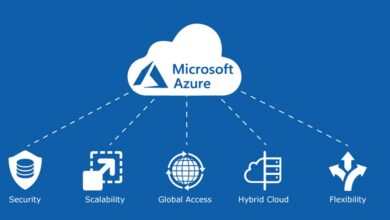
Accessing the Azure login portal doesn’t have to be complicated. Whether you’re a cloud beginner or an IT pro, mastering secure and efficient logins is essential for managing your Microsoft cloud resources with confidence and speed.





Understanding the Azure Login Portal

The Azure login portal is the primary gateway to Microsoft Azure, a comprehensive cloud computing platform used by millions of organizations worldwide. It allows users to manage virtual machines, databases, networking, security, and more—all from a centralized web interface. Accessing this portal securely and efficiently is the first step in leveraging Azure’s full potential.
What Is the Azure Login Portal?
The Azure login portal, commonly accessed via portal.azure.com, is the web-based dashboard where users authenticate and manage their Azure subscriptions and services. It integrates with Microsoft Entra ID (formerly Azure Active Directory) to provide identity and access management, ensuring only authorized users can access cloud resources.
- It serves as a unified control center for cloud infrastructure.
- Supports multi-factor authentication (MFA) and conditional access policies.
- Accessible from any device with a modern web browser and internet connection.
“The Azure portal is not just a dashboard—it’s the command center for your entire cloud ecosystem.” — Microsoft Cloud Documentation
How Authentication Works in Azure
Authentication in the Azure login portal relies on Microsoft Entra ID, which manages user identities, credentials, and permissions. When you enter your email and password at the login screen, Azure checks your credentials against Entra ID. If multi-factor authentication is enabled, you’ll be prompted for a second verification method, such as a phone call, text message, or authentication app notification.
This identity-first approach ensures that even if a password is compromised, unauthorized access is prevented through additional security layers. Organizations can also implement conditional access policies—rules that enforce specific conditions (like device compliance or location) before granting access.
Step-by-Step Guide to Accessing the Azure Login Portal
Logging into the Azure portal is a straightforward process, but understanding each step ensures a smooth and secure experience. Whether you’re accessing Azure for the first time or managing multiple subscriptions, following a structured approach minimizes errors and enhances security.
Navigating to the Official Login Page
To begin, open your preferred web browser and navigate to the official Azure portal at https://portal.azure.com. It’s crucial to use the correct URL to avoid phishing attacks. Never click on email links claiming to lead to the Azure portal unless you’re certain of the sender’s authenticity.
Once on the site, you’ll be greeted with a clean login interface prompting for your work or school account (managed by your organization) or a Microsoft account (for personal subscriptions). Always verify the padlock icon in the browser’s address bar to confirm the connection is secure (HTTPS).
Entering Credentials and Multi-Factor Authentication
After entering your email address, click “Next” and input your password. If your account has multi-factor authentication (MFA) enabled, you’ll be prompted to complete the second verification step. This could include:
- Approving a notification via the Microsoft Authenticator app.
- Entering a code sent via SMS or generated by an authenticator app.
- Using a hardware security key like a YubiKey.
MFA significantly reduces the risk of unauthorized access. According to Microsoft, accounts with MFA enabled are over 99.9% less likely to be compromised.
Post-Login: Navigating the Azure Dashboard
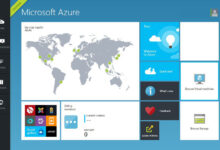
Once authenticated, you’ll land on the Azure dashboard. This customizable interface displays your most-used services, resource health, cost analysis, and alerts. New users may see a guided tour; experienced users can pin frequently accessed resources like Virtual Machines, Storage Accounts, or Azure Monitor for quick access.
The left-hand navigation pane provides access to all Azure services, organized into categories such as Compute, Networking, Storage, and Security. Understanding this layout helps streamline daily operations and troubleshooting.
Common Issues and Troubleshooting the Azure Login Portal
Despite its reliability, users occasionally face issues when trying to log in to the Azure portal. These problems can stem from forgotten passwords, MFA failures, browser incompatibilities, or account lockouts. Knowing how to diagnose and resolve these issues quickly is vital for maintaining productivity.
Forgot Password or Locked Account
If you’re unable to log in due to a forgotten password or a locked account, Azure provides self-service password reset (SSPR) options. Visit aka.ms/sspr to reset your password using registered contact methods like email, phone, or security questions.
For organizational accounts, your IT administrator may have configured specific SSPR policies. If self-service isn’t available, contact your Azure administrator to reset your password or unlock your account.
Multi-Factor Authentication Failures
MFA failures are among the most common login issues. Causes include:
- Lost or damaged phone with the authenticator app.
- Outdated app version or poor internet connectivity.
- Time synchronization issues on the device.
To resolve this, users can switch to alternative MFA methods (e.g., SMS or phone call) if configured. Administrators should ensure multiple MFA methods are registered per user to avoid lockouts. In extreme cases, an admin can temporarily disable MFA for a user—but this should be done cautiously and re-enabled immediately after access is restored.
“Over 40% of Azure login issues are related to MFA misconfigurations or user device problems.” — Microsoft Support Analytics, 2023
Browser and Cache-Related Problems
Sometimes, the issue isn’t with Azure itself but with the browser. Cached credentials, outdated cookies, or disabled JavaScript can prevent successful login. To fix this:
- Clear browser cache and cookies.
- Try an incognito or private browsing window.
- Ensure JavaScript is enabled and pop-up blockers are disabled.
- Use supported browsers: Microsoft Edge, Google Chrome, or Firefox.
If problems persist, try accessing the Azure login portal from a different device or network to isolate the issue.
Security Best Practices for the Azure Login Portal
Security is paramount when accessing the Azure login portal. Since it controls access to critical cloud infrastructure, any compromise can lead to data breaches, service disruptions, or financial loss. Implementing robust security practices protects both individual accounts and organizational assets.
Enable Multi-Factor Authentication (MFA)
MFA is the single most effective security measure for protecting Azure accounts. It requires users to provide two or more verification factors, making it extremely difficult for attackers to gain access—even with stolen passwords.
Organizations should enforce MFA for all users, especially those with administrative privileges. Microsoft recommends using the Microsoft Authenticator app, which supports passwordless sign-in and push notifications, offering both convenience and high security.
Use Conditional Access Policies
Conditional Access in Microsoft Entra ID allows administrators to define rules that control how and when users can access Azure. For example, you can create policies that:
- Block access from untrusted locations or countries.
- Require compliant devices (e.g., encrypted and up-to-date).
- Enforce MFA for sensitive operations like changing passwords or accessing financial data.
These policies are built on signals like user identity, device state, location, and risk level detected by Identity Protection. Properly configured, they act as a dynamic security layer that adapts to real-time threats.
Monitor Sign-In Logs and Anomalies
Azure provides detailed sign-in logs through Azure Monitor and Microsoft Entra ID. Administrators can review these logs to detect suspicious activities, such as:
- Logins from unusual locations or at odd hours.
- Multiple failed login attempts.
- Access from anonymous IP addresses (e.g., Tor networks).
Setting up alerts for high-risk sign-ins enables rapid response. Tools like Microsoft Defender for Cloud can automatically flag and remediate potential threats, enhancing overall security posture.
Managing Multiple Accounts and Subscriptions via Azure Login Portal
Many users manage more than one Azure account—perhaps a personal subscription, a work account, and a client’s environment. The Azure login portal supports seamless switching between these identities, but doing so securely and efficiently requires understanding session management and role-based access control (RBAC).
Switching Between Azure Accounts
If you have multiple Microsoft accounts (e.g., personal@outlook.com and work@company.com), you can add them all to your browser session. After logging in with one account, click your profile icon in the top-right corner and select “Add account.” This allows quick switching without logging out.
However, be cautious when using shared devices. Always sign out completely when finished to prevent unauthorized access. Use private browsing mode when accessing sensitive environments on public computers.
Understanding Azure Subscriptions and Access Roles
An Azure subscription is a billing and management boundary for cloud resources. Users can have different levels of access (roles) across subscriptions, such as:
- Owner: Full control over all resources.
- Contributor: Can create and manage resources but not assign roles.
- Reader: Can view resources but not make changes.
Role-Based Access Control (RBAC) ensures the principle of least privilege is followed. Administrators should assign roles carefully and review them regularly to prevent privilege creep.
Using Azure CLI and PowerShell Alongside the Portal
While the Azure login portal provides a graphical interface, advanced users often combine it with command-line tools like Azure CLI and Azure PowerShell. These tools allow automation, scripting, and bulk operations that are impractical via the web interface.
To use them, you still authenticate through the same identity system. Running az login opens a browser window where you log in via the Azure login portal. Once authenticated, the CLI inherits your permissions and can interact with Azure resources across subscriptions.
“The portal is great for visibility; CLI and PowerShell are essential for scalability.” — Azure DevOps Engineer
Customizing and Optimizing Your Azure Portal Experience
The Azure login portal isn’t just functional—it’s highly customizable. Tailoring the interface to your workflow improves efficiency, reduces errors, and enhances situational awareness. From personalized dashboards to saved filters and quick links, Azure offers numerous ways to optimize your experience.
Creating a Personalized Dashboard
When you first log in, the default dashboard may not reflect your priorities. You can create a custom dashboard by clicking “Dashboard” in the left menu and selecting “New dashboard.” From there, you can add tiles for specific resources, cost analysis, alerts, or even embedded Power BI reports.
For example, a database administrator might pin tiles for SQL Database performance, storage usage, and backup status. A billing manager might focus on cost trends, budget alerts, and subscription comparisons.
Saving Resource Filters and Views
Navigating large environments with hundreds of resources can be overwhelming. Azure allows you to save filtered views of resources. For instance, you can filter virtual machines by region, tag, or status and save that view for future use.
This feature is especially useful for teams managing multiple environments (dev, test, production). Saved views reduce navigation time and help maintain consistency across operations.
Using Quick Starts and Templates
Azure provides a library of Quick Start templates—pre-built configurations for common scenarios like deploying a web app, setting up a virtual network, or configuring a backup policy. These templates can be launched directly from the portal and are a great way to standardize deployments.
They are accessible via the “Create a resource” button and are community- or Microsoft-verified, ensuring best practices are followed from the start.
Advanced Features and Integrations with the Azure Login Portal
Beyond basic access and management, the Azure login portal integrates with a wide array of advanced services that extend its functionality. These include automation, AI-driven insights, hybrid cloud management, and cross-platform tools that enhance productivity and security.
Integrating with Microsoft Entra ID for Identity Governance
Microsoft Entra ID (formerly Azure AD) goes beyond authentication—it provides identity governance features like access reviews, entitlement management, and privileged identity management (PIM). These tools help organizations manage who has access to what, and for how long.
For example, PIM allows just-in-time (JIT) elevation of privileges. Instead of having permanent admin rights, users request temporary access when needed. This reduces the attack surface and ensures compliance with regulatory standards.
Leveraging Azure Monitor and Log Analytics
Azure Monitor provides comprehensive observability across your cloud environment. From the Azure login portal, you can access metrics, logs, and alerts for all your resources. You can set up dashboards that show real-time performance data, track application health, and receive notifications when thresholds are exceeded.
Log Analytics, a component of Azure Monitor, allows deep querying of log data using Kusto Query Language (KQL). This is invaluable for troubleshooting, security investigations, and performance tuning.
Connecting Hybrid and On-Premises Systems
Many organizations operate in a hybrid environment—partly on-premises, partly in the cloud. Azure supports this through services like Azure Arc, which extends Azure management to servers, Kubernetes clusters, and data services running outside Azure.
Through the Azure login portal, administrators can manage these hybrid resources as if they were native Azure services, applying policies, monitoring health, and deploying updates consistently across environments.
What is the correct URL for the Azure login portal?
The official URL for the Azure login portal is https://portal.azure.com. Always ensure you’re on this site to avoid phishing scams.
How do I reset my Azure account password?
You can reset your password at aka.ms/sspr if your organization has enabled self-service password reset (SSPR). Otherwise, contact your Azure administrator.
Why am I unable to log in to the Azure portal?
Common reasons include incorrect credentials, expired passwords, MFA issues, browser problems, or account lockouts. Try clearing your cache, using a different browser, or resetting your password.
Can I access Azure without the web portal?
Yes. You can use Azure CLI, Azure PowerShell, REST APIs, or third-party tools to manage Azure resources without using the web portal. However, authentication still typically routes through the Azure login portal for initial sign-in.
Is multi-factor authentication required for Azure login?
MFA is not mandatory by default, but Microsoft strongly recommends it. Organizations can enforce MFA via conditional access policies to enhance security.
Mastering the Azure login portal is the foundation of effective cloud management. From secure authentication and troubleshooting common issues to leveraging advanced integrations and customizing your workspace, understanding every facet ensures you can operate efficiently and securely. By following best practices like enabling MFA, using conditional access, and monitoring sign-in activity, you protect your organization’s digital assets while maximizing productivity. Whether you’re a beginner or an expert, the Azure portal remains your most powerful tool for navigating the cloud.
Further Reading: