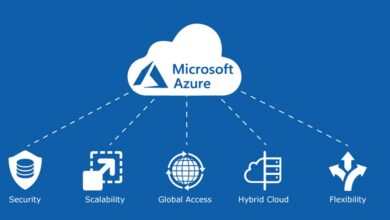
Logging into the Azure portal is your first step toward managing cloud resources with ease and precision. Whether you’re a developer, administrator, or IT manager, mastering the azure portal log in process ensures seamless access to virtual machines, databases, and security tools—all from one centralized hub.





Azure Portal Log In: Understanding the Basics

The Azure portal is Microsoft’s web-based interface for managing cloud services. Before diving into its powerful features, you must first complete the azure portal log in process successfully. This step might seem simple, but understanding its mechanics can prevent access issues down the line.
What Is the Azure Portal?
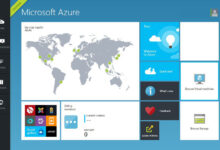
The Azure portal is a comprehensive dashboard that allows users to deploy, configure, and monitor resources on Microsoft Azure. It supports a wide range of services including compute, networking, storage, AI, and IoT. Accessing this portal requires secure authentication, which begins with the azure portal log in procedure.
- It provides a graphical user interface (GUI) for managing Azure resources.
- Users can automate tasks using templates, scripts, and integrated DevOps tools.
- The portal supports role-based access control (RBAC), enabling organizations to assign permissions based on job roles.
“The Azure portal is the control center for your cloud environment—secure and intuitive when accessed correctly.” — Microsoft Azure Documentation
Why Secure Log In Matters
Because the Azure portal grants access to critical infrastructure, securing your log in process is non-negotiable. A compromised account could lead to data breaches, unauthorized deployments, or financial loss due to unmonitored usage.
- Multi-factor authentication (MFA) significantly reduces the risk of unauthorized access.
- Single Sign-On (SSO) integration with corporate identity providers enhances security and user experience.
- Regular audits of sign-in logs help detect suspicious activity early.
For more information on securing your cloud access, visit the official Microsoft Azure Active Directory guide.
Step-by-Step Guide to Azure Portal Log In
Navigating the azure portal log in process doesn’t have to be complicated. Follow these steps to gain access quickly and securely.
Step 1: Navigate to the Official Login Page
Always start by visiting the official Microsoft Azure login page at https://portal.azure.com. Typing the URL manually or using a bookmark helps avoid phishing sites.
- Ensure the website uses HTTPS and displays a valid SSL certificate.
- Check for the Microsoft logo and branding to confirm authenticity.
- Avoid clicking on search engine ads that mimic the login page.
Step 2: Enter Your Credentials
On the login screen, enter your work or school email address associated with your Azure subscription. Personal Microsoft accounts (like Outlook.com) may also be used if they are assigned access.
- If you’re part of an organization, use your corporate email (e.g., user@company.com).
- Make sure your keyboard’s Caps Lock is off to avoid password errors.
- Use a password manager to store complex passwords securely.
Step 3: Complete Multi-Factor Authentication (MFA)
After entering your password, you’ll likely be prompted for a second verification method. This is part of Azure’s MFA system, designed to protect your account.
- Options include phone calls, text messages, authenticator apps, or biometric verification.
- Microsoft Authenticator app is recommended for push notifications and time-based codes.
- Backup methods should be configured in case your primary device is unavailable.
Learn how to set up MFA through the Azure MFA documentation.
Common Issues During Azure Portal Log In and How to Fix Them
Even experienced users encounter problems during the azure portal log in process. Knowing how to troubleshoot common issues saves time and frustration.
Forgot Password or Locked Account
One of the most frequent issues is forgetting your password or getting locked out after multiple failed attempts.
- Click “Can’t access your account?” on the login page to initiate recovery.
- Follow the prompts to verify your identity via email, phone, or security questions.
- If self-service password reset (SSPR) is enabled, you can regain access without IT support.
“Over 40% of Azure login issues stem from forgotten passwords or expired credentials.” — Microsoft Support Survey, 2023
Organizations should enable SSPR to reduce helpdesk tickets. More details are available at Microsoft’s SSPR overview.
Incorrect Tenant or Subscription Selection
Sometimes, users are redirected to the wrong Azure environment because they belong to multiple tenants or directories.
- After logging in, check the directory switcher in the top-right corner of the portal.
- Select the correct directory associated with your intended subscription.
- Contact your Azure administrator if you don’t see the expected directory.
This issue often occurs in hybrid environments where personal and work accounts overlap.
Browser Compatibility and Cache Issues
Outdated browsers or corrupted cache can block successful azure portal log in attempts.
- Use supported browsers: Microsoft Edge, Google Chrome, Mozilla Firefox, or Safari.
- Clear cookies and cache regularly, especially after switching accounts.
- Try opening the portal in an incognito or private browsing window.
If problems persist, disable browser extensions temporarily—some ad blockers interfere with Azure’s authentication flow.
Security Best Practices for Azure Portal Log In
Securing your azure portal log in process is essential for protecting sensitive data and infrastructure. Implementing best practices reduces the risk of breaches and unauthorized access.
Enable Multi-Factor Authentication (MFA)
MFA adds an extra layer of security by requiring two or more verification methods. Even if a password is compromised, MFA prevents unauthorized entry.
- Enforce MFA for all users, especially administrators.
- Use phishing-resistant methods like FIDO2 security keys when possible.
- Set up trusted locations to reduce MFA prompts in secure environments.
Microsoft reports that MFA blocks over 99.9% of account compromise attacks.
Use Conditional Access Policies
Conditional Access in Azure Active Directory allows you to define rules that control how and when users can log in.
- Restrict access based on user location, device compliance, or sign-in risk level.
- Block legacy authentication protocols that don’t support MFA.
- Require compliant devices for accessing high-value resources.
For example, you can create a policy that denies access from outside your country unless the user is on a company-managed device.
Explore Conditional Access setup in the official Microsoft guide.
Monitor Sign-In Logs Regularly
Azure provides detailed sign-in logs that help detect anomalies and potential threats.
- Access logs via Azure Monitor or Azure AD Sign-In logs.
- Look for unusual patterns like logins at odd hours or from unfamiliar locations.
- Set up alerts for failed login attempts or suspicious activities.
“Visibility into sign-in behavior is the first line of defense against credential theft.” — Azure Security Center
Regular log reviews are part of a proactive security strategy.
Using Single Sign-On (SSO) for Seamless Azure Portal Log In
For enterprise users, Single Sign-On (SSO) simplifies the azure portal log in experience by integrating with existing identity providers like Azure AD, Okta, or Ping Identity.
How SSO Works with Azure
SSO allows users to authenticate once and gain access to multiple applications without re-entering credentials.
- When you visit portal.azure.com, you’re redirected to your identity provider.
- After logging in there, you’re automatically signed into Azure.
- Sessions are maintained across related Microsoft services like Office 365 and Dynamics 365.
This integration is especially useful in large organizations with thousands of users.
Setting Up SSO for Your Organization
Administrators can configure SSO through Azure AD’s enterprise applications section.
- Register your identity provider in Azure AD as a federated identity source.
- Configure SAML or OAuth 2.0 settings according to your provider’s specifications.
- Test the connection using Azure’s built-in diagnostic tools.
Once configured, users benefit from faster, more secure logins. Learn more at Microsoft’s SSO documentation.
Alternative Methods for Azure Portal Log In
Beyond the standard web interface, Microsoft offers several alternative ways to perform an azure portal log in, catering to different user needs and scenarios.
Using Azure CLI for Command-Line Access
The Azure Command-Line Interface (CLI) allows users to log in and manage resources via terminal or script.
- Run
az loginto start the authentication process. - For headless environments, use service principals with client secrets or certificates.
- CLI is ideal for automation, CI/CD pipelines, and bulk operations.
This method is popular among DevOps engineers and developers who prefer scripting over GUI navigation.
Logging In via Azure Mobile App
The Azure mobile app (available on iOS and Android) lets you monitor and manage resources on the go.
- Download the app from the App Store or Google Play.
- Log in using the same credentials as the web portal.
- Receive push notifications for alerts and perform basic management tasks.
While not a full replacement for the desktop portal, it enhances accessibility and responsiveness.
Guest User Access and B2B Collaboration
Organizations often invite external partners to collaborate using Azure resources through Azure AD B2B (Business-to-Business) functionality.
- Guest users receive an email invitation to access specific resources.
- They can log in using their own organizational credentials or a one-time passcode.
- Access is governed by the inviting organization’s policies and RBAC settings.
This feature supports secure cross-company collaboration without sharing passwords.
Optimizing the Azure Portal Log In Experience
Once you’ve mastered the basics, optimizing your azure portal log in experience can boost productivity and security.
Customize Your Dashboard
After logging in, personalize your Azure portal dashboard to display the most relevant information.
- Add tiles for frequently used services like Virtual Machines or Storage Accounts.
- Pin resource groups or dashboards for quick access.
- Use the “Focus mode” to minimize distractions and improve navigation.
A well-organized dashboard reduces time spent searching for resources.
Use Azure AD Identity Protection
Azure AD Identity Protection analyzes sign-in risks and automatically responds to potential threats.
- It detects anomalies like sign-ins from infected devices or anonymous IP addresses.
- Can be configured to block access or require password resets based on risk level.
- Integrates with Conditional Access for automated enforcement.
This service enhances the security of every azure portal log in attempt.
Leverage Browser Extensions and Tools
Several tools can streamline the login and management process.
- Azure Resource Explorer allows deep inspection of resource configurations.
- Browser extensions like Azure Portal Tweaks enhance UI usability.
- Password managers with auto-fill reduce input errors during login.
These tools complement the core azure portal log in workflow.
Future Trends in Azure Authentication and Access
As cloud security evolves, so does the azure portal log in process. Microsoft continues to innovate with new authentication methods and user experience improvements.
Passwordless Authentication
Microsoft is pushing toward a passwordless future, where users log in using biometrics, security keys, or mobile apps.
- Windows Hello, FIDO2 keys, and Microsoft Authenticator enable secure passwordless sign-ins.
- Reduces phishing and credential theft risks.
- Already supported in Azure AD for both cloud and hybrid environments.
Adopting passwordless methods is a strategic move for long-term security.
AI-Powered Threat Detection
Azure leverages artificial intelligence to detect and respond to suspicious login attempts in real time.
- AI models analyze user behavior, location, and device patterns.
- Can flag or block logins that deviate from normal activity.
- Integrated into Microsoft Defender for Cloud and Azure AD Identity Protection.
This proactive approach strengthens the integrity of every azure portal log in.
Zero Trust Architecture Integration
Microsoft promotes a Zero Trust model, where no user or device is trusted by default—even after successful login.
- Continuous verification is required throughout the session.
- Access is granted on a least-privilege basis.
- Zero Trust principles are embedded in Azure’s security framework.
This shift redefines how we think about the azure portal log in—not as a one-time event, but as an ongoing process.
What is the correct URL for Azure portal log in?
The official URL for Azure portal log in is https://portal.azure.com. Always ensure you’re on this page to avoid phishing scams.
Why can’t I log in to the Azure portal?
Common reasons include incorrect credentials, disabled accounts, network issues, or MFA setup problems. Try resetting your password or contacting your Azure administrator.
Can I use a personal Microsoft account to log in to Azure?
Yes, personal Microsoft accounts (e.g., @outlook.com) can be used if they are assigned access to an Azure subscription or resource.
How do I enable multi-factor authentication for Azure?
Go to Azure Active Directory > Security > Multi-Factor Authentication and enable it for users. Administrators can enforce MFA via Conditional Access policies.
What should I do if I’m locked out of my Azure account?
Use the ‘Can’t access your account?’ link on the login page to recover access. If self-service options fail, contact your organization’s IT support or Azure administrator.
Mastering the azure portal log in process is essential for anyone working with Microsoft Azure. From basic access steps to advanced security configurations, understanding every aspect ensures smooth, secure, and efficient cloud management. By following best practices like enabling MFA, monitoring sign-in logs, and adopting SSO, you protect your environment while enhancing user experience. As Microsoft continues to innovate with passwordless logins and AI-driven security, staying informed will keep you ahead in the evolving cloud landscape.
Recommended for you 👇
Further Reading: