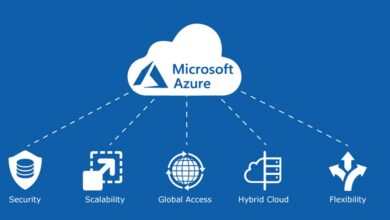
Unlock the full power of cloud management with the Azure Portal—a dynamic, intuitive hub that puts Microsoft’s vast cloud ecosystem at your fingertips. Whether you’re a developer, admin, or decision-maker, mastering this platform is non-negotiable in today’s digital landscape.



What Is the Azure Portal and Why It Matters
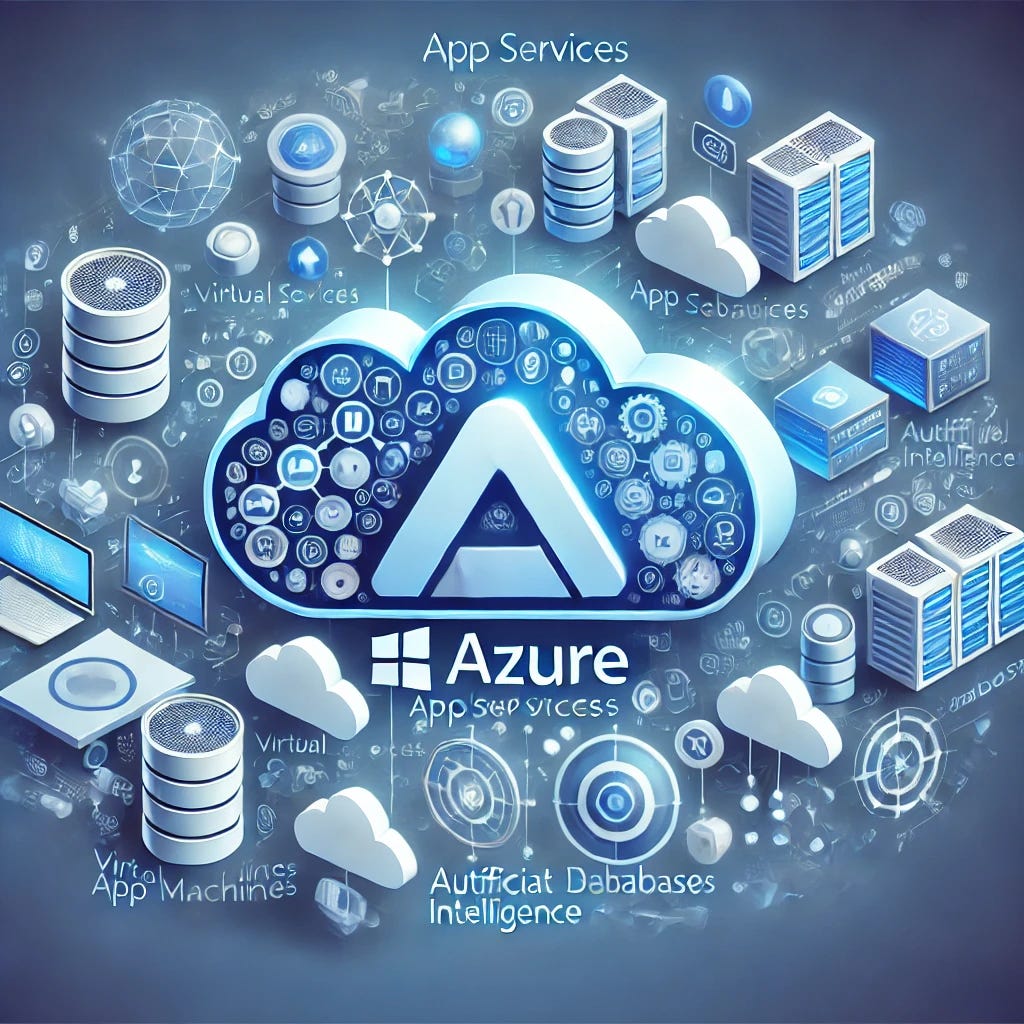
The Azure Portal is Microsoft’s web-based interface for managing cloud services, resources, and subscriptions within the Azure ecosystem. It serves as a centralized control panel where users can deploy, monitor, and manage virtually every aspect of their cloud infrastructure with just a few clicks. Unlike command-line tools or APIs, the Azure Portal offers a visual, user-friendly experience that lowers the barrier to entry for cloud computing.
Definition and Core Purpose
At its essence, the azure portal is a graphical user interface (GUI) that allows users to interact with Azure services without needing deep coding knowledge. It enables tasks such as launching virtual machines, configuring networks, setting up databases, and managing security policies—all from a single dashboard.
- Acts as a centralized management console for Azure services
- Supports role-based access control (RBAC) for team collaboration
- Provides real-time monitoring and alerting capabilities
Evolution of the Azure Portal
Originally launched in 2014 as a replacement for the older Azure Management Portal, the current version—often referred to as the ‘Azure portal (classic)’ successor—was rebuilt using modern web technologies to improve performance, scalability, and usability. Over the years, Microsoft has continuously enhanced it with AI-driven insights, improved search functionality, and deeper integration with DevOps tools.
“The Azure Portal isn’t just a dashboard—it’s your command center for the cloud.” — Microsoft Azure Documentation
Navigating the Azure Portal Interface Like a Pro
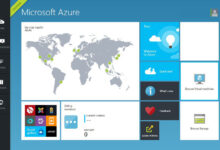
One of the biggest strengths of the azure portal is its clean, responsive design. Once you log in, you’re greeted with a customizable dashboard where you can pin frequently used resources, monitor costs, and view system health at a glance. Understanding how to navigate this interface efficiently can save hours of work every week.
Dashboard and Home Screen Overview
The default dashboard displays key widgets like resource groups, cost analysis, recent activities, and service health. You can personalize it by adding, removing, or resizing tiles. For example, a DevOps engineer might pin a tile showing deployment status, while a finance manager may prefer a cost trend graph.
- Drag-and-drop customization for dashboards
- Pre-built templates for common roles (e.g., admin, developer)
- Support for multiple dashboards per user
Key Navigation Elements
On the left-hand sidebar, the main navigation menu includes links to all major services: Compute, Networking, Storage, Databases, AI + Machine Learning, and more. The top bar features global search, notifications, cost management, and account settings.
- Global Search: Instantly find resources, services, or documentation
- Notification Center: Track deployment statuses and system alerts
- Cost Management: Monitor spending across subscriptions
Core Features of the Azure Portal Every User Should Know
The azure portal is packed with powerful features that streamline cloud operations. From automation to security, these tools empower teams to build, scale, and secure applications faster than ever before.
Resource Management and Deployment
One of the most critical functions of the Azure Portal is resource management. Users can create and organize resources into logical groups called Resource Groups, which simplify lifecycle management, billing, and access control. Deployments can be done via templates (ARM templates), the marketplace, or manually through guided wizards.
- Create VMs, storage accounts, and networks in minutes
- Use Azure Marketplace to deploy pre-configured solutions
- Leverage ARM templates for repeatable, version-controlled deployments
Monitoring and Diagnostics with Azure Monitor
Azure Monitor integrates directly into the portal, offering real-time insights into application performance, infrastructure health, and log analytics. You can set up custom alerts, view metrics in charts, and even troubleshoot issues using Log Analytics queries.
- Track CPU, memory, and disk usage across VMs
- Set up email or SMS alerts for critical events
- Analyze logs using Kusto Query Language (KQL)
Learn more about Azure Monitor: https://learn.microsoft.com/en-us/azure/azure-monitor/
Security and Identity Management in the Azure Portal
Security is not an afterthought in the azure portal—it’s built into every layer. From identity verification to threat detection, Azure provides comprehensive tools to protect your cloud environment.
Role-Based Access Control (RBAC)
RBAC allows administrators to assign granular permissions based on job roles. Instead of giving full access to everyone, you can grant specific rights—like read-only access to a database or contributor rights to a resource group.
- Built-in roles: Owner, Contributor, Reader, User Access Administrator
- Custom roles for specialized permissions
- Integration with Active Directory for seamless user management
Azure Security Center and Defender
Azure Security Center (now part of Microsoft Defender for Cloud) offers unified security management and advanced threat protection. It continuously assesses your resources for vulnerabilities and provides recommendations to improve your security posture.
- Automated security assessments
- Threat detection using AI and behavioral analytics
- Compliance monitoring across standards like ISO, HIPAA, and GDPR
Explore Microsoft Defender for Cloud: https://learn.microsoft.com/en-us/azure/defender-for-cloud/
Cost Optimization and Billing Insights via Azure Portal
Cloud spending can spiral out of control without proper oversight. The azure portal includes robust cost management tools that help organizations track, analyze, and optimize their cloud expenditures.
Understanding the Cost Management Dashboard
The Cost Management + Billing section provides detailed breakdowns of spending by service, region, resource group, or tag. You can compare current vs. past usage, forecast future costs, and identify underutilized resources.
- View daily, weekly, or monthly cost trends
- Set budget thresholds with alert notifications
- Export data to CSV or integrate with Power BI
Best Practices for Reducing Cloud Spend
Many organizations overprovision resources, leading to wasted spending. The Azure Portal helps identify cost-saving opportunities such as resizing VMs, deleting unused disks, or leveraging reserved instances.
- Use Azure Advisor’s cost recommendations
- Enable auto-shutdown for non-production VMs
- Leverage Spot VMs for fault-tolerant workloads
Access Azure Cost Management: https://learn.microsoft.com/en-us/azure/cost-management-billing/
Automation and DevOps Integration with Azure Portal
The azure portal isn’t just for manual operations—it’s a launchpad for automation and DevOps workflows. By integrating with tools like Azure DevOps, GitHub Actions, and Logic Apps, teams can build CI/CD pipelines directly from the portal.
Using Azure Automation and Runbooks
Azure Automation allows you to automate repetitive tasks using PowerShell or Python scripts known as runbooks. These can be scheduled or triggered by events, such as starting VMs during business hours or backing up databases nightly.
- Create, test, and schedule runbooks in the portal
- Integrate with Hybrid Runbook Workers for on-premises automation
- Monitor job execution history and troubleshoot failures
CI/CD Pipelines and Deployment Slots
For developers, the Azure Portal offers seamless integration with Azure App Service, allowing the creation of deployment slots for staging, testing, and production environments. This enables zero-downtime deployments and easy rollbacks.
- Configure CI/CD from GitHub, Azure Repos, or Bitbucket
- Swap slots to promote code from staging to production
- Use Application Insights for performance monitoring post-deploy
Learn about Azure DevOps integration: https://learn.microsoft.com/en-us/azure/devops/
Customization and Extensibility of the Azure Portal
What sets the azure portal apart from other cloud consoles is its high degree of customization and extensibility. Organizations can tailor the experience to match their workflows, branding, and technical requirements.
Creating Custom Dashboards and Views
Users can build personalized dashboards that display only the metrics and resources relevant to their role. For example, a network administrator might create a dashboard showing firewall status, bandwidth usage, and DNS health.
- Save and share dashboards across teams
- Use JSON templates to deploy dashboards programmatically
- Embed dashboards in internal portals or wikis
Portal Extensions and SDKs
Microsoft provides a Portal SDK that allows developers to build custom extensions and integrate third-party services directly into the Azure Portal interface. This is particularly useful for ISVs and managed service providers.
- Build custom blades and panes within the portal
- Integrate SaaS applications into the Azure experience
- Use ARM APIs to extend functionality beyond the GUI
Common Challenges and How to Overcome Them in the Azure Portal
Despite its power, users often face challenges when working with the azure portal. From navigation complexity to permission issues, understanding these pain points can help you avoid common pitfalls.
Performance and Latency Issues
Some users report slow load times, especially when managing large environments with hundreds of resources. This can be mitigated by using filtered views, collapsing unused menus, and leveraging the Azure CLI or PowerShell for bulk operations.
- Use resource tags to filter and organize large inventories
- Prefer CLI for scripting and automation tasks
- Clear browser cache regularly to maintain optimal performance
Permission and Access Conflicts
RBAC misconfigurations are a common source of frustration. Users may have partial access that prevents them from performing expected actions. Always verify role assignments and use the Access Check tool in the portal to test permissions.
- Use the ‘Check Access’ feature under IAM to verify permissions
- Audit role assignments monthly to remove stale access
- Leverage Azure AD Privileged Identity Management (PIM) for just-in-time access
What is the Azure Portal?
The Azure Portal is a web-based console provided by Microsoft for managing cloud resources on Azure. It offers a graphical interface to deploy, configure, monitor, and secure services like virtual machines, databases, networking, and AI tools—all from a single, unified platform.
How do I access the Azure Portal?
You can access the Azure Portal by visiting https://portal.azure.com and signing in with your Microsoft account or organizational credentials. Multi-factor authentication is recommended for enhanced security.
Is the Azure Portal free to use?
Yes, the Azure Portal itself is free to access. However, the cloud resources you create and manage through it (like VMs, storage, or databases) incur costs based on usage. You can use the Free Account tier to explore basic services at no cost for 12 months.
Can I automate tasks in the Azure Portal?
Absolutely. While the portal provides a GUI for manual operations, it also supports automation through Azure Automation, Logic Apps, and integration with Azure DevOps and GitHub. You can also use the Azure CLI or PowerShell for script-based automation.
How secure is the Azure Portal?
The Azure Portal is built with enterprise-grade security, including encryption in transit and at rest, role-based access control (RBAC), multi-factor authentication, and integration with Microsoft Defender for Cloud. Regular audits and compliance certifications ensure data protection across global regions.
Mastering the Azure Portal is essential for anyone leveraging Microsoft’s cloud platform. From intuitive navigation and robust security to cost management and automation, this powerful tool offers everything needed to manage modern cloud environments efficiently. By understanding its features, overcoming common challenges, and leveraging integrations, organizations can unlock unprecedented agility and scalability. Whether you’re just starting or looking to deepen your expertise, the Azure Portal remains the ultimate gateway to the cloud.
Further Reading: