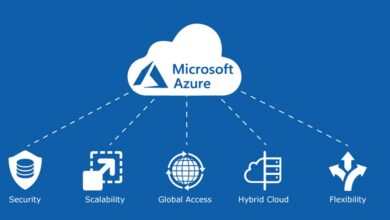
Ever wondered what lies behind the buzz of cloud computing? If you’ve heard the term ‘Azure what is’ and felt curious, you’re not alone. Microsoft Azure isn’t just another tech jargon—it’s a game-changer reshaping how businesses operate globally.



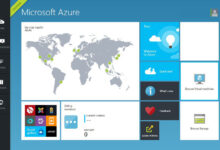

What Is Azure? A Comprehensive Overview

When someone asks, ‘Azure what is?’, they’re often seeking clarity on one of the most influential cloud platforms today. Microsoft Azure is a cloud computing service created by Microsoft to provide a wide range of services including virtual computing, storage, networking, analytics, and more—all accessible over the internet.
The Origins of Microsoft Azure
Launched in 2010 as Windows Azure, the platform was rebranded to Microsoft Azure in 2014 to reflect its broader capabilities beyond just Windows-based services. The evolution from a simple platform-as-a-service (PaaS) offering to a full-fledged infrastructure-as-a-service (IaaS) and beyond marks a significant milestone in cloud technology.
According to Microsoft’s official timeline, Azure began as a way to support .NET applications in the cloud. Over time, it expanded to support open-source technologies, Linux, containers, and hybrid cloud environments. This openness has been key to its widespread adoption across industries.
- Originally launched as Windows Azure in 2010
- Rebranded to Microsoft Azure in 2014
- Now supports over 200 services globally
This transformation reflects Microsoft’s strategic pivot toward becoming a cloud-first company, competing directly with Amazon Web Services (AWS) and Google Cloud Platform (GCP).
Core Components of Azure
Azure what is becomes clearer when we break down its architecture into fundamental building blocks. These include Compute, Storage, Networking, and Security—each offering modular services that can be mixed and matched based on business needs.
For example, Azure Virtual Machines allow users to deploy scalable Windows and Linux servers in minutes. Azure Blob Storage provides cost-effective object storage for unstructured data like images, videos, and logs. Meanwhile, Azure Active Directory handles identity and access management, ensuring secure user authentication.
“Azure is not just about hosting applications; it’s about enabling innovation at scale.” — Satya Nadella, CEO of Microsoft
These components work together seamlessly, allowing developers and IT professionals to build, deploy, and manage applications through a unified console or API-driven interfaces.
Azure What Is: Understanding Its Global Infrastructure
To truly grasp what Azure is, it’s essential to explore its physical and logical infrastructure. Microsoft has invested billions in building a global network of data centers that power Azure services across continents.
Data Centers and Availability Zones
Microsoft Azure operates in over 60 regions worldwide, making it one of the most geographically distributed cloud platforms. Each region consists of one or more data centers equipped with redundant power, cooling, and networking systems.
Within these regions, Azure uses Availability Zones—physically separate locations within a region that protect applications from data center failures. This design ensures high availability and disaster recovery for mission-critical workloads.
azure what is – Azure what is menjadi aspek penting yang dibahas di sini.
- Each zone has independent power, cooling, and networking
- Zones are connected via ultra-low-latency networks
- Supports zone-redundant services like databases and storage
This infrastructure enables organizations to meet compliance requirements by storing data in specific geographic locations, such as Europe or Asia-Pacific.
Edge Computing with Azure
Beyond centralized data centers, Azure extends its reach to the edge through services like Azure IoT Edge and Azure Stack Edge. These allow processing and analysis of data closer to where it’s generated—critical for industries like manufacturing, healthcare, and retail.
For instance, a factory using IoT sensors can process real-time data locally via Azure IoT Edge, reducing latency and bandwidth usage while still syncing insights back to the central cloud.
Learn more about Azure’s global infrastructure at Microsoft’s Global Infrastructure page.
Azure What Is: Key Services and Capabilities
Understanding Azure what is involves diving into its vast ecosystem of services. From AI to blockchain, Azure offers tools that empower businesses to innovate rapidly.
Compute Services
Azure provides multiple compute options tailored to different use cases:
- Azure Virtual Machines: Flexible, scalable VMs for any workload
- Azure App Service: Fully managed platform for web and mobile apps
- Azure Functions: Serverless compute for event-driven code execution
- Azure Kubernetes Service (AKS): Managed Kubernetes for container orchestration
These services enable developers to choose the right level of control and automation, whether they need full infrastructure control or want to focus purely on code.
Storage and Databases
Data is the lifeblood of modern applications, and Azure offers robust solutions for storing and managing it:
- Azure Blob Storage: Ideal for unstructured data like images, videos, and backups
- Azure Files: Cloud file shares accessible via SMB or NFS
- Azure Table Storage: NoSQL key-value store for semi-structured data
- Azure SQL Database: Fully managed relational database as a service
- Azure Cosmos DB: Globally distributed, multi-model database
Each storage option is designed with scalability, durability, and security in mind. For example, Azure Storage offers 11 nines (99.999999999%) durability for objects.
“With Azure Cosmos DB, you can scale throughput and storage globally with a single click.” — Microsoft Azure Documentation
Azure What Is: Security and Compliance Framework
One of the most critical aspects of cloud adoption is trust. When exploring ‘Azure what is’, security is a top concern for enterprises moving sensitive data to the cloud.
Built-In Security Features
Azure integrates security at every layer of its architecture. Key features include:
azure what is – Azure what is menjadi aspek penting yang dibahas di sini.
- Azure Security Center: Unified security management and advanced threat protection
- Azure Defender: Extended detection and response (XDR) across hybrid environments
- Network Security Groups (NSGs): Firewall-like rules to control traffic to resources
- DDoS Protection: Mitigates distributed denial-of-service attacks
These tools help organizations detect vulnerabilities, prevent breaches, and respond to incidents in real time.
Compliance and Certifications
Microsoft Azure complies with a vast array of international and industry-specific standards, including:
- GDPR (General Data Protection Regulation)
- ISO/IEC 27001, 27017, 27018
- HIPAA (Health Insurance Portability and Accountability Act)
- SOC 1, SOC 2, SOC 3
- PCI DSS (Payment Card Industry Data Security Standard)
This makes Azure a preferred choice for regulated industries such as finance, healthcare, and government agencies.
Explore Azure’s compliance offerings at Microsoft’s Compliance Documentation.
Azure What Is: Artificial Intelligence and Machine Learning
Azure isn’t just about infrastructure—it’s also a leader in democratizing AI and machine learning for businesses of all sizes.
Cognitive Services
Azure Cognitive Services provide pre-built APIs that enable applications to see, hear, speak, understand, and interpret user needs through natural methods of communication.
- Computer Vision API: Analyzes images for content, faces, and text
- Speech Services: Converts speech to text and vice versa with real-time translation
- Language Understanding (LUIS): Builds custom natural language models for chatbots
- Face API: Detects, identifies, and verifies human faces in photos
These services are used in applications ranging from customer service chatbots to accessibility tools for the visually impaired.
Azure Machine Learning
For organizations building custom AI models, Azure Machine Learning offers a comprehensive environment for training, deploying, and managing machine learning models.
It supports both code-first experiences (using Python, Jupyter Notebooks) and low-code tools (via drag-and-drop interfaces). With automated ML, even non-experts can build high-performing models by letting Azure test thousands of algorithms and hyperparameters.
“Azure ML reduces the time to train models by up to 80% compared to traditional methods.” — Microsoft Research
Additionally, Azure integrates with open-source frameworks like TensorFlow, PyTorch, and scikit-learn, ensuring flexibility and interoperability.
Azure What Is: Hybrid and Multi-Cloud Strategy
In today’s complex IT landscape, few organizations operate entirely in the public cloud. Many rely on a mix of on-premises systems, private clouds, and public cloud services—a reality Azure addresses through its hybrid and multi-cloud capabilities.
azure what is – Azure what is menjadi aspek penting yang dibahas di sini.
Azure Arc: Bridging On-Premises and Cloud
Azure Arc is a game-changing service that extends Azure management to any infrastructure, regardless of location.
- Manage servers, Kubernetes clusters, and data services on-premises or in other clouds
- Apply consistent policies, security, and governance across environments
- Use Azure Resource Manager templates to automate deployments everywhere
This means an organization can use the same tools to manage a SQL Server running in a local data center as they would for one in Azure.
Multi-Cloud Integration
While Azure competes with AWS and GCP, Microsoft also recognizes the need for interoperability. Azure services can integrate with AWS S3 buckets, Google Cloud Storage, and even run Linux workloads natively.
For example, Azure Data Factory can ingest data from Amazon S3, transform it using Azure Databricks, and load it into Azure Synapse Analytics—enabling true multi-cloud data pipelines.
Discover how Azure supports hybrid scenarios at Azure Hybrid Cloud Solutions.
Azure What Is: Pricing, Cost Management, and Free Tier
Cost is a major consideration when adopting any cloud platform. Understanding Azure what is includes knowing how it’s priced and how to optimize spending.
Pricing Models
Azure uses a pay-as-you-go model, meaning you only pay for what you use. However, there are several pricing options to reduce costs:
- Pay-As-You-Go: Standard hourly or per-minute billing
- Reserved Instances: Commit to 1 or 3 years for up to 72% savings
- Spot VMs: Use unused capacity at up to 90% discount (ideal for fault-tolerant workloads)
- Hybrid Benefit: Save up to 40% by using existing Windows Server licenses
This flexibility allows businesses to align costs with usage patterns and budget constraints.
Cost Management Tools
To avoid bill shocks, Azure provides powerful cost management tools:
- Azure Cost Management + Billing: Track spending, set budgets, and get recommendations
- Advisor Recommendations: Get personalized tips to reduce costs (e.g., shutting down idle VMs)
- Tags: Organize resources by department, project, or environment for detailed cost allocation
These tools help finance and IT teams collaborate on cloud spend governance.
Free Tier and Learning Resources
Getting started with Azure what is doesn’t have to cost money. Microsoft offers:
azure what is – Azure what is menjadi aspek penting yang dibahas di sini.
- Azure Free Account: $200 credit for 30 days and access to over 25 always-free services
- Azure for Students: $100 credit and free services for eligible students
- Microsoft Learn: Free interactive modules to learn Azure skills
These resources lower the barrier to entry and encourage hands-on experimentation.
What is Azure used for?
Azure is used for a wide range of purposes including hosting websites and applications, running virtual machines, storing data, building AI models, managing IoT devices, and enabling hybrid cloud environments. It serves industries from healthcare to finance, supporting everything from small startups to large enterprises.
Is Azure better than AWS?
Whether Azure is better than AWS depends on specific needs. Azure excels in integration with Microsoft products (like Windows Server, Active Directory, and Office 365), making it ideal for existing Microsoft customers. AWS has a larger market share and broader service catalog. The choice often comes down to ecosystem alignment, pricing, and technical requirements.
Can I learn Azure for free?
Yes, you can learn Azure for free using Microsoft Learn, which offers hundreds of interactive tutorials and learning paths. Additionally, the Azure Free Account provides $200 credit and access to popular services for 30 days, allowing hands-on practice without upfront cost.
How secure is Microsoft Azure?
Microsoft Azure is highly secure, offering built-in encryption, threat detection, identity management, and compliance with global standards like GDPR, HIPAA, and ISO 27001. Azure Security Center and Azure Defender provide proactive monitoring and protection across cloud and hybrid environments.
What are the main benefits of using Azure?
The main benefits of using Azure include global scalability, enterprise-grade security, seamless integration with Microsoft tools, support for hybrid and multi-cloud environments, cost-effective pricing models, and access to cutting-edge technologies like AI, machine learning, and IoT.
azure what is – Azure what is menjadi aspek penting yang dibahas di sini.
Understanding ‘Azure what is’ reveals a powerful, flexible, and secure cloud platform that empowers organizations to innovate, scale, and transform digitally. From its global infrastructure to AI capabilities and hybrid support, Azure stands as a cornerstone of modern IT strategy. Whether you’re a developer, IT professional, or business leader, exploring Azure opens doors to endless possibilities in the digital age.
Further Reading: