Want to sign in to Azure but feel stuck? You’re not alone. Millions of users navigate Microsoft’s cloud platform daily, and knowing how to securely and efficiently sign in is your first step toward unlocking powerful tools. Let’s make it simple, fast, and foolproof.





Understanding What It Means to Sign In to Azure

Signing in to Azure isn’t just about typing a username and password. It’s the gateway to managing cloud resources, deploying applications, and securing your digital infrastructure. Whether you’re an IT admin, developer, or business user, accessing Azure correctly ensures you can perform your tasks without hiccups.
The Role of Azure in Modern Cloud Computing
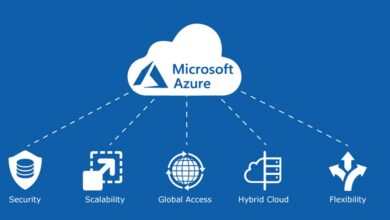
Azure is Microsoft’s comprehensive cloud computing platform, offering over 200 services including virtual machines, AI tools, databases, and networking solutions. To use any of these, you must first sign in to Azure. This authentication process verifies your identity and grants access based on assigned roles and permissions.
According to Microsoft, Azure powers more than 95% of Fortune 500 companies, making secure and reliable login procedures essential for enterprise operations.
- Host web apps and APIs
- Store and analyze big data
- Deploy machine learning models
- Manage hybrid cloud environments
Each of these functions starts with a successful sign-in. Without proper authentication, even the most powerful cloud tools remain locked.
Different Types of Azure Accounts
Not all Azure sign-ins are the same. The type of account you use determines what resources you can access and how you authenticate. There are three primary account types:
- Microsoft Personal Account: Used with Outlook.com, Hotmail, or Live IDs. Ideal for individual developers experimenting with Azure.
- Azure AD (Entra ID) Work or School Account: Assigned by an organization using Microsoft 365 or Azure Active Directory. This is the most common type for enterprise users.
- Guest User Account: External collaborators invited into your Azure environment via B2B collaboration.
Knowing which account type you have is crucial when you sign in to Azure. Using the wrong one can lead to access errors or being directed to the incorrect portal.
“Authentication is the foundation of cloud security. A misconfigured sign-in can expose critical systems.” — Microsoft Security Best Practices Guide
Step-by-Step Guide to Sign In to Azure
Now that you understand the basics, let’s walk through the actual process of how to sign in to Azure. This guide works whether you’re logging in from a desktop, mobile device, or via command-line tools.
How to Sign In via the Azure Portal
The Azure Portal (portal.azure.com) is the primary web interface for managing cloud resources. Here’s how to access it:
- Open your browser and go to https://portal.azure.com.
- Enter your email address (e.g., user@company.com or user@outlook.com).
- Click Next.
- Enter your password.
- If enabled, complete multi-factor authentication (MFA).
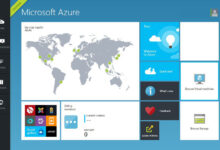
- Upon success, you’ll land on the Azure dashboard.
If you’re using a work or school account, you might be redirected to your organization’s login page for single sign-on (SSO). This is normal and enhances security by leveraging your company’s identity provider.
For personal accounts, ensure you’re using the correct Microsoft ID. If you’ve used Azure Free Account trials before, double-check the email associated with that subscription.
Using Azure CLI to Sign In
Developers and DevOps engineers often prefer command-line tools. The Azure CLI allows you to sign in to Azure directly from your terminal.
First, install the Azure CLI from Microsoft’s official site. Then run:
az loginThis command opens a browser window where you’ll authenticate using the same process as the portal. Once verified, the CLI retrieves your account details and subscriptions.
You can also sign in with a service principal for automation:
az login --service-principal -u <app-id> -p <password> --tenant <tenant-id>This method is ideal for scripts and CI/CD pipelines where human interaction isn’t possible.
Signing In with Azure PowerShell
PowerShell users can manage Azure resources using the Connect-AzAccount cmdlet.
After installing the Az PowerShell module, run:
Connect-AzAccountYou’ll be prompted to enter credentials in a pop-up window. If you have multiple subscriptions, use:
Set-AzContext -Subscription "Subscription-Name"To automate logins in unattended scenarios, consider using managed identities or certificate-based authentication, which eliminate the need for hardcoded credentials.
Common Issues When Trying to Sign In to Azure
Even with clear instructions, users often face obstacles when attempting to sign in to Azure. Let’s explore the most frequent problems and how to resolve them quickly.
Forgot Password or Locked Account
One of the top reasons users can’t sign in is a forgotten password or a locked account due to multiple failed attempts.
sign in to azure – Sign in to azure menjadi aspek penting yang dibahas di sini.
If you’re using a work or school account, contact your IT administrator to reset your password. Many organizations use self-service password reset (SSPR), which allows users to regain access without admin intervention.
For personal Microsoft accounts, visit https://account.live.com/password/reset to recover your account. You’ll need access to your recovery email, phone number, or authenticator app.
Pro tip: Enable Password Reset in Azure AD to reduce helpdesk tickets and improve user autonomy.
Multi-Factor Authentication (MFA) Failures
MFA is a critical security layer, but it can also be a point of frustration. Common MFA issues include:
- Not receiving push notifications
- Authenticator app showing incorrect codes
- Lost or replaced phone
If you’re not receiving MFA prompts, check your network connection and ensure your device is registered in Azure AD. You can manage your MFA settings at https://mysignins.microsoft.com/security-info.
In case of a lost device, administrators can temporarily disable MFA or approve emergency access requests. However, this should be done cautiously to avoid compromising security.
“Over 99.9% of account compromises can be prevented by enabling MFA.” — Microsoft Digital Defense Report
Location-Based or Conditional Access Blocks
Many organizations enforce Conditional Access policies that restrict logins based on location, device compliance, or risk level.
If you see an error like ‘Access has been blocked by Conditional Access policies’, it means your sign-in request didn’t meet organizational requirements. For example:
- Signing in from an untrusted country
- Using a personal device not enrolled in Intune
- Attempting access during non-business hours
To resolve this, contact your IT department to review the policy or request access from an approved location or device. Administrators can view sign-in logs in the Azure AD portal under Sign-in logs to diagnose such issues.
Security Best Practices After You Sign In to Azure
Successfully signing in is just the beginning. Once inside Azure, maintaining security is paramount. Poor post-login practices can expose your environment to threats, even with strong authentication.
Enable Multi-Factor Authentication (MFA) for All Users
While MFA is often required during login, it should be enforced for all user accounts—especially global administrators.
To enable MFA:
- Go to the Azure portal.
- Navigate to Azure Active Directory.
- Select Users, then choose a user.
- Click Multi-Factor Authentication.
- Enable it and guide the user through setup.
For broader enforcement, use Conditional Access policies to require MFA for all sign-ins or specific high-risk scenarios.
Learn more at Microsoft’s MFA documentation.
Use Role-Based Access Control (RBAC)
Never give users more permissions than they need. Azure’s Role-Based Access Control (RBAC) allows fine-grained access management.
Common built-in roles include:
- Owner: Full access, including role assignment.
- Contributor: Can create and manage resources but can’t grant access.
- Reader: View-only access.
Always follow the principle of least privilege. For example, a developer should be a Contributor on their app’s resource group, not an Owner at the subscription level.
You can assign roles via:
- Azure Portal (IAM blade)
- Azure CLI (
az role assignment create) - PowerShell (
New-AzRoleAssignment)
Monitor Sign-In Activity Regularly
Regular monitoring helps detect suspicious behavior early. Azure AD provides detailed sign-in logs that show:
- When and where a user signed in
- Whether MFA was used
- If the sign-in was successful or failed
- Risk level detected by Identity Protection
Administrators should review these logs weekly or set up alerts for high-risk events like sign-ins from anonymous IPs or multiple failed attempts.
Access logs at: Azure AD Sign-In Logs.
“Visibility into authentication events is the first line of defense against identity-based attacks.” — Microsoft Security Documentation
Advanced Methods to Sign In to Azure
Beyond the standard username and password, Azure supports several advanced authentication methods that improve both security and convenience—especially for developers and enterprise environments.
sign in to azure – Sign in to azure menjadi aspek penting yang dibahas di sini.
Using Service Principals for Automation
A service principal is an identity created for applications, services, or automation tools to sign in to Azure without human interaction.
To create one:
- Open Azure Portal.
- Go to Azure Active Directory > App registrations.
- Register a new application.
- Create a client secret or upload a certificate.
- Assign required RBAC roles.
Then use the app ID and secret to authenticate via CLI, PowerShell, or SDKs.
Example (CLI):
az login --service-principal -u <app-id> -p <secret> --tenant <tenant-id>Service principals are essential for CI/CD pipelines, scheduled scripts, and backend services.
Managed Identities for Secure Resource Access
Managed identities eliminate the need to manage credentials altogether. When enabled on an Azure resource (like a VM or App Service), Azure automatically handles authentication.
There are two types:
- System-assigned: Tied to the lifecycle of a specific resource.
- User-assigned: Can be shared across multiple resources.
To enable:
- Go to your resource (e.g., Virtual Machine).
- Navigate to Identity.
- Set Status to On.
- Assign roles in IAM.
Your application can then obtain an access token from the Azure Instance Metadata Service (IMDS) and use it to call other Azure services securely.
Learn more: Azure Managed Identities Overview.
Single Sign-On (SSO) with SAML or OAuth
Organizations often integrate Azure AD with third-party apps using SSO protocols like SAML, OAuth, or OpenID Connect.
This allows users to sign in to Azure once and access multiple applications without re-entering credentials.
Common use cases:
- Connecting Azure AD to Salesforce, Slack, or Workday
- Enabling federated login with on-premises Active Directory via AD FS
Setting up SSO involves configuring the application in Azure AD, uploading certificates, and mapping user attributes. Microsoft provides step-by-step guides for hundreds of pre-integrated apps.
“SSO reduces password fatigue and improves compliance with security policies.” — Gartner Identity Report
How to Recover Access If You Can’t Sign In to Azure
Even with the best preparations, access can be lost. Whether due to a deleted account, expired subscription, or misconfigured policy, recovery is possible—if you act quickly and correctly.
Recovering a Deleted Azure AD User
If a user is accidentally deleted, they can be restored within 30 days.
To restore:
- Sign in as a Global Administrator.
- Go to Azure Active Directory > Deleted users.
- Select the user and click Restore.
After restoration, the user’s licenses, group memberships, and app assignments are preserved.
After 30 days, the account is permanently removed. Always maintain backup admin accounts to prevent total lockout.
Regaining Access to a Lost Subscription
If you can’t see your subscription after signing in, it might be due to:
- Incorrect directory selected
- Role assignment removed
- Subscription deactivated due to billing issues
To fix:
- Check the directory switcher in the top-right of the Azure portal.
- Ensure you’re in the correct tenant where the subscription resides.
- Contact your subscription owner or billing administrator.
If the subscription is disabled for non-payment, renew your billing method and reactivate it via the Cost Management + Billing section.
sign in to azure – Sign in to azure menjadi aspek penting yang dibahas di sini.
Emergency Access for Global Admins
Microsoft recommends configuring Emergency Access Accounts—also known as break-glass accounts.
These are highly secured, rarely used accounts with global admin rights, stored in a password manager or offline vault.
Best practices:
- Use a unique, non-federated account (cloud-only)
- Enable MFA with two methods (e.g., phone and authenticator)
- Store credentials securely and update annually
This ensures you can always sign in to Azure during a crisis, such as a compromised primary admin account or a widespread MFA outage.
Integrating Azure Sign-In with Third-Party Tools
Modern workflows often require integrating Azure authentication with external platforms like GitHub Actions, Jenkins, or Terraform. Doing so securely is critical.
Using Azure Login in GitHub Actions
GitHub Actions can deploy to Azure using the azure/login action.
First, create a service principal and store its credentials in GitHub Secrets. Then use:
uses: azure/login@v1
with:
  creds: ${{ secrets.AZURE_CREDENTIALS }}
This allows automated deployments while keeping secrets encrypted.
Documentation: Azure Login for GitHub Actions.
Authenticating Terraform with Azure
Terraform uses Azure provider authentication to manage infrastructure as code.
Recommended method: Use a service principal with a client secret or certificate.
Set environment variables:
ARM_CLIENT_ID
ARM_CLIENT_SECRET
ARM_SUBSCRIPTION_ID
ARM_TENANT_ID
Then initialize Terraform:
terraform init
terraform apply
This ensures reproducible, secure deployments without hardcoding credentials in files.
Connecting Jenkins to Azure
Jenkins can authenticate to Azure using the Azure Credentials plugin.
Steps:
- Install the plugin.
- Add a new credential of type Azure Service Principal.
- Enter app ID, key, tenant ID, and subscription ID.
- Use the credential in your pipeline script.
This integration enables automated builds, tests, and deployments directly from Jenkins to Azure.
Learn more: Jenkins Azure Plugin.
Future of Azure Authentication: What’s Next?
As cyber threats evolve, so does Azure’s approach to identity and access. Microsoft is continuously enhancing its authentication framework to be more secure, seamless, and user-friendly.
Passwordless Authentication Trends
Microsoft is pushing toward a passwordless future. Options include:
- Windows Hello
- Microsoft Authenticator app
- FIDO2 security keys
- Biometric login on mobile
These methods are more secure than passwords and resistant to phishing. Users can sign in to Azure using just their phone or a physical key.
Enable passwordless in: Azure AD > Security > Authentication methods.
sign in to azure – Sign in to azure menjadi aspek penting yang dibahas di sini.
AI-Powered Identity Protection
Azure AD Identity Protection uses machine learning to detect risky sign-ins and user behavior.
It can automatically:
- Flag logins from unfamiliar locations
- Block access from known malicious IPs
- Require MFA for suspicious attempts
Administrators can set risk-based policies to respond to threats in real time.
This proactive defense is becoming standard in enterprise environments.
Federated Identity and B2B Collaboration
As remote work grows, so does the need for secure external collaboration.
Azure B2B allows partners, vendors, and contractors to sign in to Azure using their own organizational credentials.
With seamless SSO and conditional access, companies can collaborate without sacrificing security.
Microsoft reports that B2B collaboration has grown by over 300% since 2020, driven by hybrid work models.
Explore: Azure B2B Documentation.
How do I sign in to Azure if I don’t have an account?
You can create a free Azure account at https://azure.microsoft.com/free/. It includes $200 in credits and access to popular services for 12 months. You’ll need a phone number, email address, and credit card (for verification only).
Why can’t I sign in to Azure even with the correct password?
Common reasons include multi-factor authentication failure, Conditional Access policies blocking the sign-in, using the wrong directory, or account lockout. Check the error message and review Azure AD sign-in logs for details.
Can I use the same account for Azure and Microsoft 365?
Yes. If your organization uses Microsoft 365, your work or school account is already an Azure AD account. You can use it to sign in to Azure if you’ve been granted access to a subscription.
What is the difference between Azure AD and Microsoft Account?
Azure AD (now Microsoft Entra ID) is for organizations and enterprise apps, while Microsoft Account (MSA) is for personal use (e.g., Outlook.com). Both can be used to sign in to Azure, but Azure AD offers advanced management and security features.
How do I switch between Azure directories?
In the Azure portal, click your profile icon in the top-right corner and select Switch directory. You’ll see a list of directories you have access to. Choose the one you want to work in.
Signing in to Azure is more than a routine task—it’s the foundation of your cloud journey. From basic portal access to advanced automation and security, every step matters. By understanding the methods, troubleshooting common issues, and adopting best practices, you ensure smooth, secure, and efficient access. Whether you’re a beginner or an expert, mastering how to sign in to Azure empowers you to build, manage, and protect your digital future.
sign in to azure – Sign in to azure menjadi aspek penting yang dibahas di sini.
Further Reading: