Want to sign in to Azure portal quickly and securely? Whether you’re a cloud beginner or an experienced admin, this guide walks you through every step with clarity and precision—no jargon, just results.





Sign In to Azure Portal: A Complete Overview

Microsoft Azure is one of the most powerful cloud platforms in the world, offering a vast array of services ranging from virtual machines to AI tools. At the heart of managing these services is the Azure portal—a web-based interface that allows users to control, monitor, and configure their cloud environments. To access this powerful dashboard, the first and most essential step is to sign in to Azure portal.
The process may seem straightforward, but many users—especially those new to Microsoft’s ecosystem—encounter hurdles such as forgotten credentials, multi-factor authentication issues, or confusion between personal and work accounts. This article provides a comprehensive walkthrough of how to sign in successfully, troubleshoot common problems, enhance security, and optimize your experience.
What Is the Azure Portal?
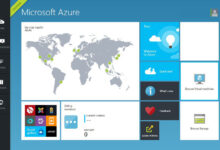
The Azure portal (portal.azure.com) is the central management console for all Azure resources. It provides a graphical user interface (GUI) where users can deploy, manage, and monitor services like virtual networks, storage accounts, databases, and more. Think of it as the control center for your cloud infrastructure.
Unlike command-line tools or APIs, the portal is designed for ease of use, making it ideal for administrators, developers, and even non-technical stakeholders who need visibility into cloud operations. However, access is strictly controlled—only authenticated users with proper permissions can log in.
Why Signing In Correctly Matters
Signing in correctly isn’t just about gaining access—it’s about security, compliance, and operational efficiency. A misconfigured login can lead to unauthorized access, data breaches, or service outages. Moreover, using the wrong account type (e.g., a personal Microsoft account when a work account is required) can prevent you from seeing your organization’s resources.
According to Microsoft, over 95% of security breaches involve human error, often at the authentication stage. That’s why understanding how to properly sign in to Azure portal is not just a technical necessity but a critical security practice.
sign in to azure portal – Sign in to azure portal menjadi aspek penting yang dibahas di sini.
“Authentication is the first line of defense in cloud security.” — Microsoft Security Best Practices
Step-by-Step Guide to Sign In to Azure Portal
Now that we understand the importance of the Azure portal, let’s walk through the actual process of signing in. This section breaks down each step in detail, ensuring even first-time users can navigate the process confidently.
Step 1: Navigate to the Official Azure Portal URL
The first step is to go to the correct website: https://portal.azure.com. Always ensure you’re on this exact URL to avoid phishing scams. Cybercriminals often create fake login pages that mimic legitimate sites to steal credentials.
Pro tip: Bookmark the official portal URL in your browser for future use. Avoid clicking on links from emails unless you’re certain of their origin. Microsoft will never ask you to log in via an unsolicited email link.
Step 2: Enter Your Credentials
Once on the login page, you’ll be prompted to enter your email address or phone number associated with your Microsoft account. This could be:
- A personal Microsoft account (e.g., @outlook.com, @hotmail.com)
- A work or school account provided by your organization (e.g., user@company.com)
- An Azure Active Directory (Azure AD) user account
After entering your email, click “Next.” The system will determine the type of account and prompt you for the appropriate password.
Step 3: Complete Authentication (Including MFA)
After entering your password, you may be required to complete multi-factor authentication (MFA). This is a security layer that verifies your identity using a second method, such as:
- A notification on the Microsoft Authenticator app
- A text message with a verification code
- A phone call
- A hardware security key
If MFA is enabled (and it should be), follow the prompts to verify your identity. This step is crucial for protecting your Azure environment from unauthorized access.
sign in to azure portal – Sign in to azure portal menjadi aspek penting yang dibahas di sini.
“Multi-factor authentication blocks over 99.9% of account compromise attacks.” — Microsoft Security Intelligence Report
Common Issues When Trying to Sign In to Azure Portal
Even with a clear process, users often face obstacles when attempting to sign in to Azure portal. Below are some of the most frequent issues and how to resolve them.
Forgot Password or Locked Account
One of the most common problems is forgetting your password or getting locked out due to multiple failed attempts. If this happens:
- Click “Forgot password?” on the login screen.
- Follow the recovery process by verifying your identity via email, phone, or security questions.
- Reset your password and try logging in again.
If you’re using a work or school account, contact your organization’s IT administrator. They may need to reset your password from the Azure AD admin center.
Incorrect Account Type Selected
Many users struggle because they’re using a personal Microsoft account when their Azure resources are tied to a work or school account. The portal doesn’t automatically switch between account types.
To fix this:
- Sign out completely.
- Clear your browser cache or use an incognito window.
- Re-enter the correct email address associated with your Azure subscription.
You can also add multiple accounts to your browser profile, but always ensure the right one is active when accessing Azure.
MFA Not Working or Device Lost
If your MFA method fails—say, your phone is lost or the Authenticator app isn’t receiving notifications—you’ll be unable to complete the login process.
sign in to azure portal – Sign in to azure portal menjadi aspek penting yang dibahas di sini.
Solutions include:
- Using an alternate MFA method (e.g., backup codes, secondary device).
- Contacting your Azure AD administrator to temporarily disable MFA or assign a new method.
- Setting up self-service password reset (SSPR) with multiple verification options.
Microsoft recommends configuring at least two MFA methods to avoid lockout scenarios.
Security Best Practices After You Sign In to Azure Portal
Successfully signing in is just the beginning. Once inside, it’s essential to follow security best practices to protect your cloud environment.
Enable Multi-Factor Authentication (MFA)
If MFA isn’t already enabled, turn it on immediately. While Azure may enforce MFA for admin accounts, regular users might not have it by default—especially in older subscriptions.
To enable MFA:
- Go to the Azure portal.
- Navigate to “Azure Active Directory” > “Security” > “Multi-Factor Authentication.”
- Select users and enable the feature.
You can also enforce MFA through Conditional Access policies, which allow you to set rules based on user location, device compliance, or sign-in risk.
Use Role-Based Access Control (RBAC)
Not everyone should have full access to your Azure resources. RBAC allows you to assign permissions based on roles, minimizing the risk of accidental or malicious changes.
sign in to azure portal – Sign in to azure portal menjadi aspek penting yang dibahas di sini.
Common built-in roles include:
- Owner: Full access to all resources.
- Contributor: Can create and manage resources but can’t grant access to others.
- Reader: View-only access.
Always follow the principle of least privilege—grant only the permissions necessary for a user’s role.
Monitor Sign-In Activity
Azure provides detailed logs of all authentication attempts through Azure Monitor and Azure AD Sign-In Logs. Regularly review these logs to detect suspicious activity.
Key metrics to monitor:
- Failed sign-in attempts
- Sign-ins from unusual locations or devices
- Sign-ins outside business hours
You can set up alerts for high-risk sign-ins and integrate with Microsoft Defender for Cloud for advanced threat detection.
“Visibility into sign-in activity is the foundation of proactive security.” — Azure Security Documentation
How to Manage Multiple Azure Subscriptions When You Sign In
Many users, especially in enterprise environments, have access to multiple Azure subscriptions. Managing them efficiently requires understanding how the portal handles context switching and access rights.
Understanding Azure Subscriptions and Tenants
An Azure subscription is a billing and resource management boundary. A tenant (or Azure AD directory) is an instance of Azure AD that represents an organization. A single tenant can have multiple subscriptions, and a user can belong to multiple tenants.
sign in to azure portal – Sign in to azure portal menjadi aspek penting yang dibahas di sini.
When you sign in to Azure portal, the system determines which subscriptions you have access to based on your user account and assigned roles.
Switching Between Subscriptions
To switch subscriptions:
- Click your profile icon in the top-right corner.
- Select “Switch directory” or “Change directory” if you’re in the wrong tenant.
- Use the subscription filter in the top navigation bar to select the desired subscription.
The portal will update all resource views to reflect the selected subscription, ensuring you’re managing the correct environment.
Using Azure Lighthouse for Cross-Tenant Management
For managed service providers (MSPs) or IT teams overseeing multiple clients, Azure Lighthouse allows centralized management across different tenants. This eliminates the need to sign in separately to each customer’s portal.
With Lighthouse, you can:
- Delegate resource management rights.
- View consolidated billing and usage reports.
- Apply consistent security policies across tenants.
It’s a powerful tool for scaling cloud operations without compromising security.
Advanced Tips for Power Users After Signing In
Once you’ve mastered the basics of how to sign in to Azure portal, it’s time to level up. These advanced tips will help you work faster, smarter, and more securely.
sign in to azure portal – Sign in to azure portal menjadi aspek penting yang dibahas di sini.
Customize the Azure Portal Dashboard
The default dashboard is generic. Power users should personalize it by adding tiles for frequently used resources, cost analysis widgets, or security alerts.
To customize:
- Click “Edit” on the dashboard.
- Add, resize, or remove tiles.
- Save as your personal or shared dashboard.
This reduces navigation time and keeps critical information at a glance.
Leverage Azure Cloud Shell
The Azure Cloud Shell is a browser-based command-line environment accessible directly from the portal. It supports both Bash and PowerShell and comes pre-authenticated with your session.
Use it to:
- Run automation scripts.
- Deploy resources using CLI or PowerShell.
- Perform bulk operations that are tedious via GUI.
Cloud Shell is stateless by default but can be connected to an Azure Storage account for persistent file storage.
Use Keyboard Shortcuts and Accessibility Features
The Azure portal supports several keyboard shortcuts to speed up navigation:
sign in to azure portal – Sign in to azure portal menjadi aspek penting yang dibahas di sini.
- Ctrl + / – Open command palette.
- F1 – Open help menu.
- Alt + Left/Right Arrow – Navigate back/forward.
Additionally, the portal is compatible with screen readers and supports high-contrast mode for improved accessibility.
Alternatives to Signing In via Web Portal
While the web portal is the most common way to access Azure, it’s not the only one. Depending on your workflow, you might prefer alternative methods that offer automation, scripting, or integration capabilities.
Azure CLI (Command-Line Interface)
The Azure CLI is a cross-platform tool for managing Azure resources via commands. After installing it locally or using it in Cloud Shell, you can authenticate using:
az login– Opens a browser for authentication.az login --use-device-code– For environments without a browser.- Service principals for automated scripts.
The CLI is ideal for DevOps pipelines, infrastructure-as-code (IaC), and bulk operations.
Azure PowerShell
Azure PowerShell provides cmdlets for managing Azure services. It’s especially useful for Windows administrators familiar with PowerShell scripting.
To authenticate:
- Run
Connect-AzAccount. - Sign in through the browser or use service principal credentials.
Like the CLI, it supports automation and integrates well with CI/CD tools.
sign in to azure portal – Sign in to azure portal menjadi aspek penting yang dibahas di sini.
Mobile Access via Microsoft Azure App
Microsoft offers a mobile app for iOS and Android that allows you to monitor resources, receive alerts, and even perform basic management tasks on the go.
While full configuration isn’t possible on mobile, the app is excellent for checking service health, reviewing costs, or approving conditional access requests.
Can I sign in to Azure portal from a mobile browser?
Yes, the portal is responsive and works on mobile browsers, though the experience is optimized for desktop. For better usability, use the dedicated Azure app.
What should I do if I can’t sign in due to MFA issues?
If you’re locked out due to MFA problems, use backup codes if available. Otherwise, contact your Azure administrator to reset your authentication method. Never disable MFA permanently—instead, configure multiple verification options.
Is it safe to sign in to Azure portal on public Wi-Fi?
sign in to azure portal – Sign in to azure portal menjadi aspek penting yang dibahas di sini.
It’s not recommended. Public networks are vulnerable to man-in-the-middle attacks. If you must log in, use a trusted VPN and ensure your device is secure. Avoid saving credentials on shared devices.
How do I sign in to Azure portal with a guest account?
Guest users (B2B collaborators) can sign in using their home tenant credentials. They’ll be redirected to their organization’s login page for authentication, then granted access to the inviting Azure environment based on assigned roles.
What is the difference between Azure AD and Microsoft account login?
Azure AD is used for organizational accounts (work/school), while Microsoft accounts are for personal use (e.g., Outlook.com). Azure resources are typically accessed via Azure AD, though personal accounts can be used in certain scenarios like free trials.
Signing in to the Azure portal is more than just entering a username and password—it’s the gateway to managing your entire cloud infrastructure. From initial access to advanced management, every step matters. By following the steps outlined in this guide, you can ensure secure, efficient, and reliable access to your Azure resources. Whether you’re a beginner or a seasoned pro, mastering the login process is the foundation of effective cloud administration.
Recommended for you 👇
Further Reading: